
Indiana’s highways, including I-70, I-65, and US-30, are major arteries for transporting freight across the Midwest. But with high commercial traffic comes a greater risk of serious collisions involving large trucks. When accidents occur, they often result in significant injuries, financial burdens, and legal complications, especially when more than one party may be responsible.
Our Indiana team represents truck accident victims throughout Indiana, including individuals who speak Punjabi or require culturally responsive legal support. The firm’s experience with complex trucking claims is reflected in its handling of liability disputes, insurance negotiations, and long-term damage assessments.
What Does an Indiana Punjabi Truck Accident Attorney Do?
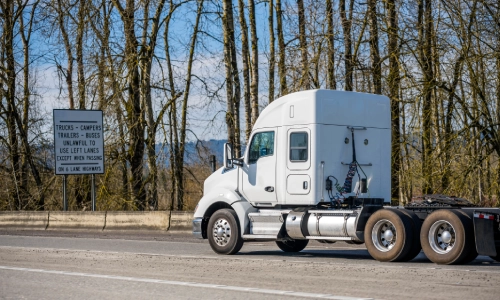
Truck accident claims require far more than simply filing an insurance report. These cases often involve multiple liable parties, federal transportation regulations, and significant financial stakes. An Indiana Punjabi truck accident attorney provides the legal insight necessary to handle the many moving parts of a trucking case.
Whether the crash involved a fatigued driver, poor maintenance, or unsecured cargo, a seasoned semi truck accident attorney will investigate every aspect of the incident, reviewing black box data, driver logs, and company safety records. They also negotiate with commercial insurers who are often quick to shift blame or minimize payouts.
Our attorneys work with clients from all backgrounds and are mindful of language and cultural needs. This includes bilingual support for Punjabi-speaking clients, helping ensure that nothing is lost in translation during the legal process.
Common Causes of Truck Accidents in Indiana
Indiana’s extensive interstate network supports thousands of commercial vehicles each day. Unfortunately, it also sees a significant number of truck-related crashes, many of which are entirely preventable. Understanding what contributes to these accidents can help clarify where liability may lie.
Some of the most common causes include:
- Driver fatigue: Long-distance routes along I-69 or I-80 often push drivers beyond safe limits, increasing the risk of falling asleep behind the wheel.
- Distracted driving: GPS adjustments, texting, or eating while driving continue to be significant factors in commercial vehicle crashes.
- Speeding and aggressive driving: Trucks require longer stopping distances. Excessive speed on congested roads or rural highways often leads to rear-end collisions and rollovers.
- Improper cargo loading: When cargo shifts during transit, it can destabilize the trailer, especially when turning or braking.
- Mechanical failures: Brake issues and worn tires are common contributors, often linked to poor maintenance or skipped inspections.
- Weather and road conditions: Snow, fog, or ice, especially on bridges or in northern counties, can create dangerous driving conditions that demand extra caution from truck operators.
The Indiana Department of Transportation (INDOT) actively monitors commercial traffic safety, publishes statewide crash statistics, and works to improve infrastructure where frequent accidents occur. Their oversight includes inspection of weight stations, enforcement of truck routing restrictions, and collaboration with law enforcement to address high-risk behaviors. Additionally, INDOT works with the Federal Motor Carrier Safety Administration (FMCSA) to ensure trucking companies operating in Indiana adhere to national safety standards.
Steps to Take After a Truck Accident
The moments after a truck accident are often overwhelming, but the steps you take can protect your health, preserve evidence, and support any future legal claims. Whether the crash occurs on a busy interstate or a two-lane road in rural Indiana, knowing what to do can make a significant difference.
Ensure Safety
If you’re able, move to a safe location away from traffic. Turn on hazard lights and check for injuries. Do not attempt to move anyone seriously hurt unless there is an immediate threat, such as a fire.
Call Emergency Services
Dial 911. Police will document the scene and prepare an official report, which can be a critical piece of evidence. Emergency responders can also evaluate and treat injuries, even those that may not seem serious at first.
Document the Scene
Use your phone to take photos or videos of vehicle damage, skid marks, license plates, road signs, weather conditions, and any visible injuries. Try to capture wide angles of the crash site as well as close-up details.
Exchange Information
Obtain the truck driver’s name, commercial license number, insurance details, employer information, and DOT number if visible. Be sure to collect names and contact information from witnesses, if possible.
Call a Lawyer
Trucking companies often involve their insurers and legal teams within hours of an accident.
Before speaking with any insurance adjusters, it’s wise to consult with a qualified truck wreck lawyer who understands Indiana’s liability laws and how to protect your rights from the start.
Damages Available After a Truck Accident
A serious truck accident in Indiana can leave victims with overwhelming financial strain and lasting emotional harm. Fortunately, state law allows individuals to pursue compensation for a variety of losses, depending on the nature and severity of the crash.
Economic Damages
These represent quantifiable financial losses and typically include:
- Hospital bills, emergency transport, surgery, and long-term medical care
- Lost wages from missed work and reduced future earning potential
- Property damage, such as vehicle repairs or replacement
- Necessary out-of-pocket costs, including home medical equipment, travel for treatment, and in-home care
The Indiana Department of Insurance offers information on how insurers are regulated and what coverage may be required for both personal and commercial vehicles in the state.
Non-Economic Damages
These cover intangible losses that affect a person’s quality of life:
- Physical pain and suffering
- Emotional distress, trauma, or anxiety
- Loss of enjoyment of daily activities
- Loss of companionship or support in cases involving wrongful death
Unlike some states, Indiana does not impose a cap on non-economic damages in standard personal injury or truck accident claims. However, certain categories, such as medical malpractice and claims against government entities, do carry specific statutory limits as referenced under Indiana Code Title 34, Article 18.
Punitive Damages
Punitive damages are only awarded in rare cases and are intended to punish egregious conduct. In Indiana, these damages are capped at the greater of three times compensatory damages or $50,000, per Indiana Code § 34-51-3-4. Additionally, 75% of any punitive damages awarded is paid to the state’s Violent Crime Victim Compensation Fund.
Because these legal and financial rules can be complex, many victims benefit from working with an experienced Semi Truck Accident Attorney to fully understand the scope of damages and the laws that may apply to their case.
Who Pays for Damages in an Indiana Truck Accident?
Truck accidents can involve multiple parties, making it essential to identify who may be legally responsible. In Indiana, liability is determined based on negligence, and more than one party may be required to pay damages depending on the facts of the case.
Possible liable parties include:
- The truck driver: especially if they were distracted, fatigued, under the influence, or otherwise negligent
- The trucking company: for issues like negligent hiring, inadequate training, or pressure to violate safety regulations
- A third-party loading company: if improperly secured cargo contributed to the crash
- A manufacturer: in cases involving defective brakes, tires, or other equipment
- Other motorists: if their actions triggered a chain reaction
- A government entity: when unsafe road design or poor maintenance is a contributing factor
Modified Comparative Fault in Indiana
Indiana follows a modified comparative fault rule with a 51% bar. This means that if a claimant is found to be 51% or more at fault, they cannot recover compensation. However, if they are 50% or less at fault, they can still recover damages, with their percentage of fault reducing the amount they can recover.
This principle is codified in Indiana Code § 34-51-2, which governs comparative fault and apportionment of liability in civil cases.
Vicarious Liability
Vicarious liability is a well-established principle in Indiana tort law, allowing employers to be held financially responsible for the negligent actions of their employees when those actions occur within the scope of employment, such as during a scheduled delivery or transport assignment. Information related to commercial vehicle operations, including regulatory responsibilities for carriers operating in Indiana, is outlined by the state’s Motor Carrier Services division.
How Long Do I Have to File a Claim for a Truck Accident in Indiana?
In Indiana, the deadline to file a personal injury lawsuit, including those involving truck accidents, is generally two years from the date of the crash. This statute of limitations is defined in Indiana Code § 34-11-2-4 and applies to most claims involving bodily injury or property damage due to negligence.
Failing to file within this time frame can result in your claim being permanently barred, regardless of the strength of your case.
Exceptions That May Affect the Deadline
While the two-year rule applies in most cases, there are a few exceptions under Indiana law:
- Minors injured in the accident may have additional time, as the statute may not begin until they turn 18.
- Mentally incapacitated individuals may be granted a tolling period until they regain legal capacity.
- Claims against government entities, such as those involving unsafe public roads, require a notice of claim to be filed within 180 days under the Indiana Tort Claims Act. More information is available from the Indiana Attorney General’s office regarding procedures for filing a claim against a state or local agency.
Because these exceptions are narrow and time-sensitive, reviewing your timeline early is critical in protecting your right to compensation.
Indiana Truck Accident FAQ
Do I need to report a truck accident in Indiana?
Yes. Any motor vehicle crash resulting in injury, death, or property damage over $1,000 must be reported to law enforcement. A responding officer will typically file an Indiana Officer’s Standard Crash Report, which can serve as important documentation for your claim.
What if the truck was registered out of state?
You can still file your claim in Indiana if the crash occurred within state borders. Indiana courts have jurisdiction over any vehicle accident that takes place in the state, even if the trucking company or driver is based elsewhere.
Does Indiana cap damages in truck accident cases?
No caps apply to general personal injury damages in Indiana truck crash claims. However, if the at-fault party is a government agency or the claim involves medical malpractice, statutory limits may apply under the Indiana Tort Claims Act and related provisions.
Can I still recover compensation if I was partly at fault?
Yes, as long as you are 50% or less at fault. Indiana’s modified comparative fault system allows injured parties to recover reduced compensation based on their share of responsibility. If you are 51% or more at fault, you are barred from recovering damages.
Do trucking companies have special insurance requirements in Indiana?
Yes. Commercial motor carriers must comply with both state and federal insurance requirements. These include higher liability minimums based on cargo type and route. Insurance compliance and filings are managed through Indiana’s Motor Carrier Services division.
How long does it typically take to resolve a truck accident case in Indiana?
The timeline can vary widely depending on the complexity of the case. Some claims involving clear liability and modest injuries may settle within a few months. However, cases with multiple liable parties, severe injuries, or disputes over fault often take a year or more, especially if they go to trial. Court scheduling, insurance negotiations, and the length of medical treatment can all impact how long the process takes.
Call Our Team When You Need an Indiana Truck Accident Law Firm
Recovering from a truck accident can be physically exhausting and legally complex. Between navigating insurance negotiations, understanding Indiana’s comparative fault laws, and identifying all potentially liable parties, victims often need more than just support; they need experienced legal advocacy.
Our Punjabi truck accident team works with clients across Indiana, including those in Punjabi-speaking communities, to help them pursue compensation and regain control of their futures. We handle every case with attention to cultural sensitivity and legal precision, whether the accident involved a local delivery truck or a multi-state freight carrier. Explore your options after a serious truck crash with our firm.
Call Punjabi Truck Accident Lawyer at (844) 656-2091.
