
Truck accidents in Georgia can be devastating, often resulting in severe injuries, significant property damage, and complex legal battles. If you’re a member of the Punjabi community or if you know someone who is involved in a truck accident in Georgia, navigating the legal system can feel overwhelming, especially when language or cultural barriers are present.
A Georgia Punjabi truck accident lawyer can provide the knowledge and support needed to secure fair compensation while addressing your unique needs. This article outlines the role of a specialized attorney, common causes of truck accidents, steps to take after a crash, available damages, liability rules, and the time limits for filing a claim in Georgia.
What Does a Georgia Punjabi Truck Accident Attorney Do?
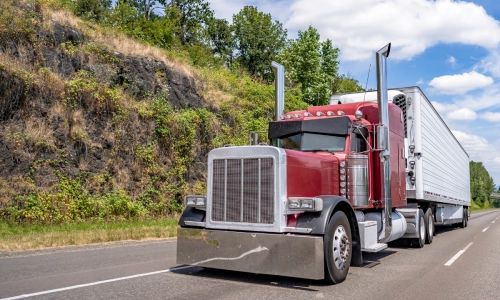
A Georgia Punjabi truck accident attorney specializes in representing victims of truck accidents, offering legal assistance tailored to the needs of the Punjabi community. These truck crash attorneys are not only skilled in Georgia’s complex truck accident laws but also culturally sensitive, fluent in Punjabi, and familiar with the community’s values, ensuring clear communication and trust.
Their primary roles include:
- Investigating the Accident: They gather evidence such as police reports, electronic logging device (ELD) data, black box information, and witness statements to build a strong case.
- Determining Liability: They identify all potentially liable parties, including the truck driver, trucking company, manufacturers, and cargo loaders, navigating federal and state regulations like those from the Federal Motor Carrier Safety Administration (FMCSA).
- Negotiating with Insurers: Trucking companies and their insurers often try to minimize payouts. A skilled attorney counters these tactics, ensuring you don’t settle for less than you deserve.
- Pursuing Compensation: They calculate the full extent of your damages, including medical costs, lost wages, and pain and suffering, and fight for maximum compensation through settlements or litigation.
- Providing Cultural Support: For Punjabi clients, they offer bilingual services or cultural understanding, making the legal process less intimidating and more accessible.
Hiring a Punjabi truck accident attorney ensures your rights are protected while addressing any language or cultural barriers, increasing your chances of a favorable outcome.
Common Causes of Truck Accidents in Georgia
On Georgia’s busy highways, such as I-75 and I-85, you may see heavy truck traffic, contributing to frequent accidents. Thus, understanding the common causes can help establish liability.
According to data from the National Highway Traffic Safety Administration (NHTSA) and Georgia’s Department of Transportation, key causes include:
- Driver Fatigue: Federal regulations limit drivers to 11 hours of driving after 10 consecutive hours off-duty, but violations are common, leading to drowsy driving accidents.
- Distracted Driving: Texting, using GPS, or other distractions can cause a driver to lose focus, a significant issue given a truck’s long stopping distance.
- Speeding or Reckless Driving: Trucks traveling at high speeds, especially on Georgia’s interstates, can’t stop quickly, increasing collision risks.
- Improper Maintenance: Faulty brakes, worn tires, or other mechanical failures, often due to negligent maintenance, can cause crashes.
- Improperly Loaded Cargo: Unsecured or unbalanced loads can lead to rollovers or jackknifing, especially if cargo loaders fail to follow FMCSA regulations.
- Impaired Driving: Drivers under the influence of alcohol or drugs face stricter blood alcohol content limits (0.04% for commercial drivers vs. 0.08% for non-commercial drivers).
- Road Conditions: Poorly maintained roads or inadequate signage, which can sometimes be considered one of the responsibilities of government entities, can contribute to accidents.
Steps to Take After a Truck Accident
Knowing what to do after a truck accident in Georgia is critical to protect your health, legal rights, and ability to recover compensation. Acting promptly ensures evidence is preserved and deadlines are met, especially given Georgia’s strict statutes of limitations.
Ensure Safety
If possible, move your vehicle to a safe location off the road to prevent further collisions. Turn on hazard lights and set up warning triangles or flares if available.
Check yourself and others for injuries, prioritizing safety above all else.
Call Emergency Services
Contact 911 immediately to report the accident. Georgia law requires reporting accidents involving injuries, deaths, or significant property damage to local police, sheriffs, or state patrol, depending on the location.
A police report is crucial for documenting the incident and supporting your claim.
Document the Scene
If it’s safe, gather evidence at the scene. Take photos or videos of the vehicles, damage, road conditions, and any visible injuries.
Note the time, date, and location of the accident. Collect contact information from witnesses, as their statements can strengthen your case.
Exchange Information
Exchange names, contact details, insurance information, and vehicle details with the truck driver and other involved parties. Avoid discussing fault or making statements that could be used against you later.
Do not sign any documents from insurance adjusters without consulting a lawyer.
Call a Lawyer
Contact a Georgia Punjabi truck accident lawyer as soon as possible. They can guide you through the claims process, preserve critical evidence like black box data, and ensure you meet Georgia’s filing deadlines.
Early legal intervention prevents insurance companies from taking advantage of you.
Damages Available After a Truck Accident
Victims of truck accidents in Georgia may be entitled to various damages to compensate for their losses. Georgia law, following a 2010 Supreme Court decision, places no caps on most economic and non-economic damages, though punitive damages are limited.
The main types include:
Economic Damages
- Medical Bills: Covers hospital stays, surgeries, rehabilitation, medications, and future medical costs.
- Lost Wages: Compensation for income lost due to inability to work during recovery.
- Loss of Earning Capacity: For permanent injuries that reduce future earning potential.
- Property Damage: Repairs or replacement of your vehicle and other damaged property.
- Out-of-Pocket Expenses: Includes travel costs, home care, medical equipment, or rental vehicles.
Non-Economic Damages
- Pain and Suffering: This category accounts for the emotional distress and physical pain experienced due to the accident, encompassing aspects like acute and chronic pain, emotional trauma, and mental anguish. It recognizes the subjective suffering that impacts a victim’s overall well-being beyond quantifiable financial losses.
- Loss of Consortium: This category covers the emotional and psychological harm caused by the loss of companionship, affection, and support from a spouse or family member due to the accident. It recognizes the non-economic impact of the injury on relationships.
- Disfigurement: This type of damage accounts for any scarring, amputation, or other permanent physical alterations resulting from the accident. It recognizes the emotional and psychological impact of living with a changed appearance or physical ability.
- Loss of Enjoyment of Life: This refers to compensation for the diminished quality of life experienced due to injuries, such as the inability to participate in hobbies or activities previously enjoyed. It aims to address the subjective impact of the accident on the victim’s overall well-being.
Punitive Damages
Punitive damages in Georgia truck accident cases are awarded not to compensate the victim, but to punish the at-fault party for egregious conduct and deter similar actions in the future. While Georgia law (O.C.G.A. § 51-12-5.1) allows for punitive damages in cases involving willful misconduct, malice, fraud, oppression, or entire want of care, they are generally capped at $250,000, except in specific circumstances such as cases involving impaired driving or product liability.
Wrongful Death Damages
When a truck accident results in a fatality, Georgia law allows certain surviving family members to file a wrongful death claim (O.C.G.A. § 51-4-1). These damages aim to compensate for the full value of the deceased’s life, including both economic contributions (such as lost wages and benefits) and non-economic losses (like the value of companionship, care, and guidance).
Unlike personal injury claims, wrongful death damages are not subject to the same caps as punitive damages and can provide substantial compensation to the family left behind.
Who Pays for Damages in a Georgia Truck Accident?
Determining who pays for damages in a Georgia truck accident involves identifying liable parties and understanding the state’s negligence rules. Multiple parties may share responsibility, and Georgia’s laws allow victims to pursue compensation from various sources.
- The Driver: A truck driver may be liable for speeding, fatigue, distracted driving, or impairment.
- The Trucking Company: Companies can be held liable for negligent hiring, inadequate training, or encouraging violations of FMCSA hours-of-service rules. Under the doctrine of respondeat superior, they are vicariously liable for their drivers’ actions if the driver was acting within the scope of employment.
- Truck or Parts Manufacturer: If defective components, like faulty brakes, cause the accident, manufacturers may be liable under Georgia’s product liability law (O.C.G.A. § 51-1-11). However, liability may not apply if the part was improperly maintained or is over 10 years old.
- Loading Company: Improperly secured cargo can cause accidents. Loaders must comply with FMCSA regulations (49 CFR § 392.9), or they may share liability.
- Other Vehicles Involved: Other drivers contributing to the crash may be partially liable.
- Government Agency: If poor road conditions or inadequate signage contributed, a government entity might be responsible, though claims against them have shorter deadlines.
- Your Own Insurance: Georgia is a fault state, not a no-fault state, so your insurance typically won’t cover damages unless you have optional uninsured/underinsured motorist (UM/UIM) coverage.
Modified Comparative Negligence in Georgia
Georgia follows a modified comparative negligence rule under O.C.G.A. § 51-12-33. You can recover damages if you’re less than 50% at fault, but your compensation is reduced by your percentage of fault.
For example, if you’re 20% at fault and awarded $100,000, you’d receive $80,000. If you’re 50% or more at fault, you recover nothing.
This rule makes it critical to prove the other party’s negligence, which a skilled attorney can do using evidence like ELD data or witness testimony.
Vicarious Liability
Under Georgia’s respondeat superior doctrine, trucking companies are generally liable for their drivers’ negligence if the driver was acting within their employment scope. Companies may argue drivers are independent contractors to avoid liability, but courts often reject this if the company controls the driver’s work.
Georgia’s direct-action statutes (O.C.G.A. § 40-2-140(d)(4)) also allow victims to sue the trucking company’s insurer directly, a unique feature that simplifies claims.
How Long Do I Have to File a Claim for a Truck Accident in Georgia?
Georgia’s statute of limitations for truck accident claims is two years for personal injury and wrongful death lawsuits (O.C.G.A. § 9-3-33) and four years for property damage claims, starting from the accident date. If a government entity is involved, you may have only six months to file a notice of claim (O.C.G.A. § 36-33-5).
Missing these deadlines typically bars you from recovering damages.
Exceptions may apply:
- Minors or Incapacitated Victims: The statute may be tolled until the victim turns 18 or regains capacity.
- Defendant Leaves Georgia: If the at-fault party leaves the state, the clock may pause until they return (O.C.G.A. § 9-3-94).
- Fraud: If the defendant commits fraud to prevent filing, the statute may extend until the fraud is discovered (O.C.G.A. § 9-3-96).
- Criminal Charges: If criminal investigations are involved, the statute may toll for up to six years.
Consulting a lawyer promptly ensures compliance with these deadlines and preserves evidence like black box data, which may be destroyed if not secured quickly.
Georgia Truck Accident FAQ
Can I file a claim if the truck driver wasn’t at fault?
Yes, other parties like the trucking company, manufacturer, or cargo loader may be liable if their negligence contributed to the accident. Your attorney will investigate all potential defendants.
What if the trucking company offers a quick settlement?
Initial offers are often low and may not cover all damages. Avoid accepting without consulting a lawyer, who can negotiate for a fair settlement or take the case to trial.
Are there special regulations for trucks in Georgia?
Yes, trucks are subject to FMCSA regulations and Georgia laws such as O.C.G.A. § 40-5-151, which impose stricter standards on commercial drivers, including lower BAC limits and mandatory background checks.
How can a Punjabi lawyer help with cultural barriers?
A Punjabi attorney can communicate in your preferred language, explain legal terms clearly, and understand cultural nuances, ensuring you feel supported throughout the process.
Call Us When You Need a Georgia Punjabi Truck Accident Law Firm
If you or a loved one has been injured in a truck accident in Georgia, don’t face the legal maze alone. Our team at Punjabi Truck Accident Lawyer combines legal skill with cultural sensitivity to fight for the compensation you deserve.
From navigating complex FMCSA regulations to meeting tight deadlines, we’ll handle every detail so you can focus on recovery. Contact a trusted attorney at Punjabi Truck Accident Lawyer today at (844) 656-2091 for a free consultation and take the first step toward justice.
