
For Arkansas’s Punjabi-speaking community, navigating the aftermath of a truck accident can be daunting due to language and cultural barriers. An Arkansas Punjabi truck accident lawyer offers vital support, delivering professional legal counsel in Punjabi and a culturally attuned approach to guide clients through the complexities of personal injury claims with clarity and respect.
Arkansas’s highways, such as I-40 and I-30, are critical for commercial trucking, supporting the state’s economy by connecting rural and urban areas. However, the heavy presence of trucks heightens the risk of accidents, often resulting in severe injuries and intricate legal battles for those affected.
An Arkansas Punjabi truck accident lawyer combines legal acumen with cultural understanding to help you recover and rebuild after such incidents.
What Does an Arkansas Punjabi Truck Accident Attorney Do?
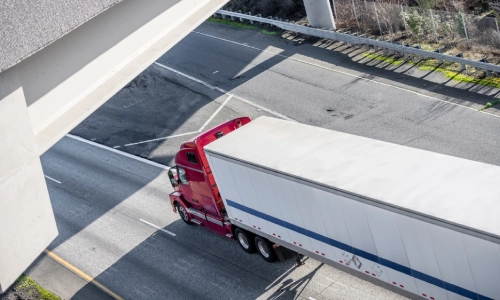
An Arkansas Punjabi truck accident attorney is dedicated to representing individuals who are injured in collisions involving commercial trucks, with a focus on meeting the unique needs of the Punjabi-speaking community. Their key responsibilities include:
- Legal Experience: Offers informed guidance on personal injury claims, including Arkansas-specific trucking laws, liability determination, and securing fair compensation.
- Language Accessibility: Communicates fluently in Punjabi to ensure clients fully understand their rights and legal options, eliminating reliance on third-party translators for clear and confident communication.
- Cultural Awareness: Respects cultural values and expectations that may shape how clients engage with the legal process, creating a supportive and trustworthy environment.
- Case Investigation: Gathers essential evidence such as police reports, dashcam footage, truck data recorders, and medical documentation to build a strong case.
- Negotiation and Advocacy: Negotiates with insurance companies or litigates in court to secure deserved compensation.
- Community Advocacy: Champions the rights of Punjabi clients in a legal system that may not always account for their linguistic and cultural needs.
Common Causes of Truck Accidents in Arkansas
Arkansas’s diverse landscape, from the Ozark Mountains to flat delta regions, combined with its bustling interstates, presents unique challenges for truck drivers. Common causes of truck accidents in the state include:
- Weather Conditions: Heavy rains, fog, or thick ice on the road, especially in northern Arkansas, can reduce visibility and create slick roads, increasing accident risks.
- Driver Fatigue: Long hauls through rural areas or tight delivery schedules may lead to violations of federal hours-of-service regulations.
- Rural Road Hazards: Narrow and winding roads in areas like the Ouachita Mountains can complicate navigation for large trucks.
- Urban Traffic: Congestion in cities like Little Rock and Fort Smith heightens the risk of collisions due to sudden stops or tight maneuvers.
- Improper Cargo Loading: Unsecured or unbalanced loads can cause trucks to tip or jackknife, particularly on Arkansas’s hilly terrain.
- Vehicle Maintenance Issues: Neglected maintenance can lead to brake failures, tire blowouts, or other mechanical issues.
An experienced semi truck accident lawyer can help pinpoint the causes of a crash, assess fault accurately, and pursue compensation from responsible parties, including major trucking companies when necessary.
Steps to Take After a Truck Accident in Arkansas
If you’re involved in a truck accident in Arkansas, taking these steps can safeguard your health and strengthen your legal claim:
Ensure Safety
Your first priority after a truck accident is safety. If your vehicle is drivable and it’s safe, move it to the roadside or a safe area to avoid further collisions. Also, activate hazard lights to alert other drivers.
If the vehicle is immobile, stay inside with your seatbelt fastened until help arrives. Avoid standing in traffic or moving injured individuals unless you’re trained, as this could worsen injuries or you could endanger yourself.
Call 911
As soon as you are able, immediately contact 911. Vehicle operators involved in a road accident are required to report to law enforcement, who will then generate an accident report, which is a critical document for insurance and legal claims.
Request medical attention, and do not refuse treatment as injuries like concussions or internal trauma may not be immediately apparent. Early medical care ensures your health and establishes a record of injuries for your claim.
Document the Scene
If you’re able, use your phone to collect evidence at the scene. Photograph or take a video of the vehicles, damages, road conditions, skid marks, traffic signs, and any visible injuries.
Capture the truck’s license plate and Department of Transportation (DOT) number. This evidence is crucial for proving fault and damages.
Also, you should try to interview witnesses and gather their contact information, noting down anything they observed, no matter how minor it may seem. Their testimonies can provide valuable insights and corroborate your account of the accident.
Exchange Information
Collect names, contact details, insurance information, and vehicle registration numbers from the truck driver and any witnesses. If the driver works for a trucking company, note the company’s name and contact information.
Avoid admitting fault or apologizing, as this could impact your claim. Stick to factual exchanges.
Contact a Truck Accident Lawyer
Promptly consulting a Punjabi-speaking truck crash attorney is essential. They can navigate Arkansas’s legal framework, including state-specific trucking regulations, and they can efficiently handle insurance negotiations.
Early legal involvement preserves evidence and ensures compliance with deadlines, such as the statute of limitations.
Available Compensation After an Arkansas Truck Accident
Victims of truck accidents in Arkansas may be eligible for various types of compensation. Damages are typically divided into three categories, namely:
Economic Damages
These cover measurable financial losses, such as:
- Medical Costs: This includes all expenses related to injuries from the accident, such as emergency room visits, hospital stays, surgeries, medication, rehabilitation, and ongoing therapy. It covers both immediate and future anticipated medical expenses.
- Lost Income: This refers to wages, salary, or other income lost due to time off work for recovery, medical appointments, or diminished earning capacity caused by the accident. It can include both past lost wages and future loss of earning potential.
- Property Damage: This covers the cost of repairs or replacement for your vehicle and any other personal property damaged in the accident, such as belongings inside the truck or car. It aims to restore your property to its pre-accident condition or compensate you for its lost value.
- Out-of-Pocket Expenses: This covers various direct costs you incur due to the accident that are not directly medical bills or property damage. Examples include transportation to medical appointments, rental car fees while your vehicle is being repaired, and assistive devices.
Non-economic Damages
Non-economic damages address subjective, non-monetary losses like pain and suffering or loss of enjoyment of life, which are difficult to quantify.
- Pain and Suffering: Physical and emotional distress caused by the accident and injuries.
- Loss of Enjoyment of Life: Inability to engage in hobbies or daily activities.
- Disfigurement or Scarring: Compensation for permanent physical changes.
- Loss of Consortium: Impacts on relationships with a spouse or family.
Non-economic damages, while challenging to quantify, are typically calculated using methods such as the multiplier method or the per diem method.
The multiplier method assigns a numerical factor (usually between 1.5 and 5) to the total economic damages, with the factor increasing based on the severity and permanence of injuries. The per diem method assigns a daily monetary value for each day of suffering from the injury until maximum recovery is reached.
These methods help provide a framework for valuing the subjective impacts of an accident, aiming to ensure fair compensation for a victim’s non-monetary losses.
Punitive Damages
Punitive damages aim to punish egregious behavior and deter future misconduct. They may be awarded in cases of extreme negligence, such as a driver operating under the influence or a company ignoring safety regulations.
These are less common but can significantly increase compensation when pursued in court.
Who Pays for Damages in an Arkansas Truck Accident?
Liability in truck accidents may involve multiple parties, including:
- Truck Driver: Liability for a truck driver often arises from negligence, such as violating traffic laws, driving while fatigued, or operating the vehicle under the influence. Additionally, a driver could be held liable for failing to properly inspect their vehicle or secure their cargo, leading to an accident.
- Trucking Company: Liability for a trucking company can arise from negligent hiring practices, such as employing drivers with poor safety records or inadequate training. The legal doctrine respondeat superior holds employers responsible for the negligent actions of their employees if those actions occurred within the scope of their employment.
- Truck Owner: Sometimes, the owner of the truck is not necessarily the driver of the truck. If the vehicle is leased and improperly maintained, liability may be shared with the owner.
- Cargo Loaders: Liability for cargo loaders arises when improper loading or securing of freight contributes to an accident. This can include issues such as unbalanced loads, unsecured goods, or exceeding weight limits, all of which can lead to truck instability and crashes.
- Manufacturers: For faulty truck components, like brakes or tires, it may be possible to pursue product liability claims against the manufacturer. Product liability holds manufacturers, distributors, and retailers responsible for injuries or damages caused by truck parts that failed under what should have been safe operating conditions.
- Maintenance Providers: Liability for maintenance providers can arise when inadequate repairs or neglected servicing contribute to an accident. This could include issues like faulty brake repairs or improper tire installations that directly lead to a crash.
- Government Entities: Rarely, government entities may be held liable for hazardous road conditions or inadequate signage. Cases involving government entities tend to be more complicated due to different standards and deadlines compared to normal.
Understanding Arkansas’s Modified Comparative Negligence System
Arkansas follows a modified comparative negligence rule under Arkansas Code § 16-64-122. If a plaintiff is partially at fault, their compensation is reduced by their percentage of fault, but they can only recover if their fault is less than 50%.
For example, if a plaintiff is 30% at fault with $100,000 in damages, they can only recover $70,000. If they are 50% or more at fault, recovery is barred.
How Long Do I Have to File a Truck Accident Claim in Arkansas?
Under Arkansas Code § 16-56-105, the statute of limitations for personal injury claims, including truck accidents, is three years from the accident date. Exceptions include:
- Minors: The three-year statute of limitations typically begins once the minor turns 18, allowing time to file a claim after reaching legal age.
- Mental Incapacity: The three-year statute of limitations can be paused if the injured individual has a mental incapacity that prevents them from understanding their legal rights or filing a claim. The statute typically resumes once their mental capacity is restored.
- Cases Against Government Bodies: While strictly speaking, the statute of limitations for claims against government bodies in Arkansas is the same as most other civil cases, the state has sovereign immunity against lawsuits. Any claim for damages has to go through the Arkansas State Claims Commission.
Consulting a truck wreck attorney promptly ensures evidence is preserved, deadlines are met, and that all avenues for compensation are considered.
Arkansas Truck Accident FAQ
Do I have to go to court?
Many truck accident claims in Arkansas are resolved through settlements with insurance companies. However, if a fair settlement isn’t reached, your truck accident attorney may recommend filing a lawsuit to pursue just compensation in court.
How much does an Arkansas Punjabi truck accident lawyer cost?
Most commercial truck accident lawyers operate on a contingency fee basis, meaning no upfront costs. Fees are a percentage of the compensation secured, and if the case isn’t won, you typically do not owe any attorney fees.
What if the truck driver was an independent contractor?
Trucking companies may deny liability by classifying drivers as independent contractors. However, factors like control over routes, schedules, or equipment can establish company liability. An attorney can investigate to identify all responsible parties.
Contact Our Arkansas Punjabi Truck Accident Law Firm Today
If you or a loved one has been injured in a truck accident in Arkansas and seeks legal support in Punjabi, our compassionate and skilled team of commercial truck accident attorneys is here to help. Our truck wreck lawyers at Punjabi Truck Accident Lawyer offer free consultations and are committed to securing the compensation you deserve.
Our team at Punjabi Truck Accident Lawyer provides professional legal representation with a deep understanding of your cultural background and linguistic needs. Contact our truck crash lawyers at (844) 656-2091 today.
