If you or a loved one has been involved in a truck accident in Connecticut, navigating the aftermath can be overwhelming. From severe injuries to complex legal processes, the stakes are high.
A Connecticut Punjabi truck accident lawyer can provide the insight and cultural understanding needed to secure fair compensation while respecting your unique needs as a member of the Punjabi community. With extensive experience in Connecticut’s legal system and federal trucking regulations, a skilled attorney from Punjabi Truck Accident Lawyer can guide you through the process, ensuring your rights are protected.
What Does a Connecticut Punjabi Truck Accident Attorney Do?
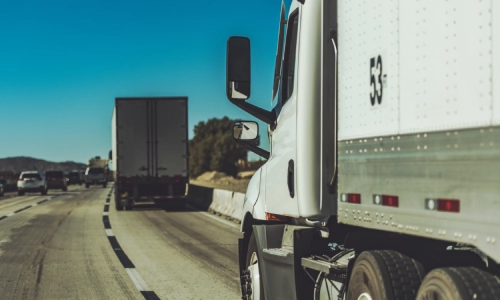
A Connecticut Punjabi truck accident attorney specializes in representing victims of collisions involving commercial trucks, such as semi-trucks, tractor-trailers, and 18-wheelers. These attorneys are well-versed in both Connecticut state laws and federal regulations governing the trucking industry, such as those enforced by the Federal Motor Carrier Safety Administration (FMCSA).
They investigate the accident, identify liable parties, and build a strong case to maximize compensation for your injuries, property damage, and emotional distress.
Beyond legal services, a Punjabi truck accident lawyer offers culturally sensitive representation, understanding the values and concerns of the Punjabi community. They may communicate in Punjabi to ensure clarity and comfort, addressing language barriers that could otherwise complicate your case.
Their services include gathering evidence like driver logs, black box data, and maintenance records; negotiating with insurance companies; and, if necessary, litigating in court to hold negligent parties accountable.
Common Causes of Truck Accidents in Connecticut
Truck accidents in Connecticut often result from a combination of factors unique to the state’s busy highways, such as I-84, I-95, and Route 8, which are heavily trafficked by commercial vehicles. Understanding these causes can help clarify liability and strengthen your claim.
Common reasons for truck accidents include:
- Driver Fatigue: Federal hours of service regulations limit driving time, but violations are common. Fatigue can impair a driver’s reaction time, leading to catastrophic collisions.
- Distracted Driving: Texting, using GPS, or other distractions can cause a truck driver to lose focus, especially on Connecticut’s congested roads.
- Improper Maintenance: Faulty brakes, worn tires, or neglected repairs can lead to accidents. Trucking companies are required to maintain vehicles under FMCSA rules.
- Overloading or Improper Loading: Uneven or excessive cargo can cause trucks to tip or lose control, particularly on Connecticut’s winding routes.
- Speeding or Reckless Driving: Trucks require longer stopping distances, and speeding on highways like I-95 can lead to devastating crashes.
- Weather Conditions: Connecticut’s winters bring snow and ice, increasing the risk of accidents if drivers fail to adjust to road conditions.
- Defective Truck Parts: Faulty manufacturing of brakes, tires, or steering systems can contribute to accidents, implicating manufacturers in liability.
These causes often involve multiple parties, from drivers to trucking companies, that’s why having legal representation is critical to navigate the complex claims.
Steps to Take After a Truck Accident
Knowing what to do after a truck accident in Connecticut can significantly impact your ability to recover compensation. Acting quickly preserves evidence, ensures compliance with legal deadlines, and protects your health. Follow these steps to strengthen your case:
Ensure Safety
Your immediate priority is safety. If possible, move your vehicle to a safe location, such as the shoulder of the road, to avoid further collisions. Turn on hazard lights and use warning triangles or flares if available.
Check yourself and others for injuries, but avoid moving anyone who appears seriously injured unless absolutely necessary to prevent further harm.
Call Emergency Services
Contact 911 immediately to report the accident and request medical assistance. The Connecticut State Police or local law enforcement will respond, especially for accidents on major highways like I-84 or I-95.
A police report is critical, as it documents details like the truck’s identification, witnesses statements, and initial findings on who’s at fault. Request medical evaluation even if you feel fine, as some injuries, like whiplash or internal trauma, may not be immediately apparent.
Document the Scene
Gather evidence at the scene to support your claim. Use your phone to take photos of vehicle damage, skid marks, road conditions, and any visible injuries. If possible, capture the truck’s license plate, company logo, and DOT number.
Note the time, location, and weather conditions. This evidence can help your attorney prove liability and counter insurance company disputes.
Exchange Information
Exchange contact and insurance information with the truck driver and any other involved parties. Obtain names, phone numbers, driver’s license numbers, and insurance policy details. If witnesses are present, collect their contact information as well. Avoid discussing fault or signing any documents at the scene, as these could be used against you later.
Call a Lawyer
Contact a Connecticut Punjabi truck accident lawyer as soon as possible. The state’s two-year statute of limitations means time is critical, and early legal intervention can preserve evidence and prevent missed deadlines.
An attorney will investigate the accident, deal with insurance companies, and ensure you meet all legal requirements to pursue maximum compensation.
Damages Available After a Truck Accident
After a truck accident in Connecticut, you may be entitled for compensation depending on the various types of damages and losses you experience due to the accident. These fall into three main categories, with specific considerations under Connecticut law:
Economic Damages
These cover quantifiable financial losses, including:
- Medical Bills: Costs for hospital stays, surgeries, rehabilitation, and ongoing care for injuries like spinal damage or traumatic brain injuries.
- Lost Wages: Compensation for income lost due to time off work during recovery.
- Loss of Earning Capacity: If injuries prevent you from returning to your previous job or reduce future earnings.
- Property Damage: Costs to repair or replace your vehicle and other damaged property.
- Out-of-Pocket Expenses: Travel costs for medical appointments, home care, medical equipment, or rental vehicles.
Non-Economic Damages
These address intangible losses, such as:
- Pain and Suffering: Compensation for physical pain and emotional distress caused by the accident.
- Emotional Distress: Covers mental health impacts, like anxiety or post-traumatic stress disorder (PTSD).
- Loss of Enjoyment of Life: For diminished quality of life due to permanent injuries or disabilities.
Punitive Damages
In Connecticut, punitive damages may be awarded if the at-fault party acted with reckless disregard, such as a truck driver operating under the influence or a company ignoring safety violations. Unlike compensatory damages, punitive damages aim to punish the defendant and deter similar conduct.
Connecticut does not cap punitive damages in personal injury cases, but they are rarely awarded and must be supported by clear evidence of egregious behavior.
Connecticut law also allows for double or treble damages in cases where the defendant’s conduct was deliberately reckless, such as drunk driving. These are a form of punitive damages, calculated as two or three times the compensatory damages, and are intended to penalize extreme negligence.
Who Pays for Damages in a Connecticut Truck Accident?
Determining who pays for damages in a Connecticut truck accident involves identifying liable parties and navigating the state’s negligence laws. Potentially responsible parties include:
- The Truck Driver: Drivers can be held responsible for negligence, such as distracted driving, speeding, driving under the influence, or violating hours-of-service regulations. Their personal insurance or the trucking company’s insurance will typically cover damages if their actions caused the accident.
- The Trucking Company: Companies can be held responsible for negligent hiring, inadequate training, or failure to maintain vehicles. Vicarious liability applies, meaning the company is liable for the driver’s actions if they occurred during employment.
- Truck or Parts Manufacturer: Manufacturers can be held responsible if the accident was caused by defective parts, such as faulty brakes, tires, or steering systems. This liability extends to design flaws, manufacturing defects, or inadequate warnings about product dangers.
- Loading Company: Loading companies can be held liable if improper loading or securing of cargo caused the accident, leading to issues like unbalanced loads or shifting freight. This negligence can result in rollovers or loss of control, making the loading company a responsible party in the claim.
- Other Drivers: Another motorist’s actions, such as cutting off a truck, may contribute to the crash.
- Government Agency: Poorly maintained roads or defective traffic signals can implicate state or local agencies, though claims against them require notice within six months.
- Your Insurance Policy: Connecticut is a fault state, so your insurance typically does not cover damages unless you have uninsured/underinsured motorist coverage and the at-fault party lacks sufficient insurance.
Understanding Modified Comparative Negligence in Connecticut
Connecticut follows a modified comparative negligence rule under Connecticut General Statutes § 52-572h. You can recover damages if you are less than 51% at fault, but your compensation is reduced by your percentage of fault.
For example, if you’re awarded $100,000 but found 20% at fault, you will receive $80,000. If you’re 51% or more at fault, you cannot recover any damages.
This rule underscores the importance of proving the other party’s negligence to maximize your claim.
How Long Do I Have to File a Claim for a Truck Accident in Connecticut?
In Connecticut, the statute of limitations for filing a personal injury or property damage claim after a truck accident is two years from the date of the injury or discovery of the injury, as outlined in Connecticut General Statutes § 52-584. For wrongful death claims, the deadline is two years from the date of death, but not more than five years from the act that caused the death.
Product liability claims, such as those against a truck manufacturer, have a three-year statute of limitations under § 52-577a, with a 10-year statute of repose from when the defendant last controlled the product.
If the accident involves a drunk driver and you wish to sue the establishment that served alcohol (a dram shop claim), the statute of limitations is one year from the date alcohol was served, with notice required within 120 or 180 days, depending on the circumstances. Claims against government entities require notice within six months for municipal claims or one year for state claims.
Exceptions may extend these deadlines:
- Discovery Rule: If an injury isn’t discovered until later, the two-year clock starts when the injury is or should have been discovered, but no later than three years from the incident.
- Fraudulent Concealment: If the at-fault party hides their actions, the statute may be extended until discovery.
- Minors or Incapacitated Individuals: The statute may be tolled until the claimant reaches the age of majority or regains capacity.
Acting promptly is crucial, as delays can lead to lost evidence or missed deadlines. Consulting a lawyer early ensures compliance with these rules.
Connecticut Truck Accident FAQ
What makes truck accident cases more complex than car accidents?
Truck accidents involve federal regulations, multiple liable parties (e.g., driver, company, manufacturer), and complex insurance policies. Severe injuries and high damages also require thorough investigations, making legal representation essential.
Can I file a claim if the truck driver was uninsured?
Yes, you may pursue compensation through your own uninsured/underinsured motorist coverage or against other liable parties, such as the trucking company or manufacturer. A lawyer can explore all options.
What if the accident occurred in a Connecticut construction zone?
If a poorly maintained construction zone contributed to the accident, the government agency or contractor responsible may be liable. Claims against government entities require notice within six months.
How do federal regulations affect my case?
FMCSA regulations govern truck driver hours, maintenance, and cargo loading. Violations, like exceeding driving hours, can strengthen your case by proving negligence.
Your attorney will analyze these records.
Call Our Connecticut Punjabi Truck Accident Law Firm for Legal Assistance
If you’ve been injured in a truck accident in Connecticut, don’t face the complex legal process alone. Our team at Punjabi Truck Accident Lawyer combines legal experience with cultural sensitivity to fight for the compensation you deserve.
With a deep understanding of Connecticut’s laws and federal trucking regulations, they’ll investigate your case, negotiate with insurers, and advocate for your rights in court, if needed. Time is critical due to the two-year statute of limitations, so act now to protect your claim.
Contact a trusted attorney today at (844) 656-2091. Get a free consultation, and take the first step toward justice and recovery.
